



· By M Hammad Kothari
Why Do Experts Say Sea Moss Benefits Might Be Social Media Hype?
Curious about high-quality sea moss? Explore responsibly sourced products at Essential Sea Moss: https://www.essential-seamoss.com/
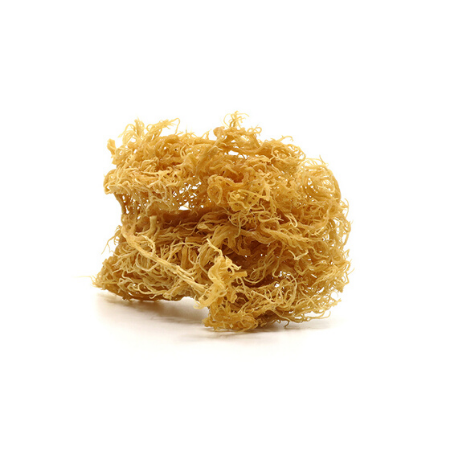
Some experts believe certain Sea Moss Benefits promoted online are overstated. While sea moss contains minerals like iodine and potassium, major health claims often lack large-scale clinical trials. According to the National Institutes of Health, nutrient content varies by harvest location, and benefits depend on overall diet, not a single ingredient.
At a Glance
-
Sea moss is rich in minerals, including iodine
-
Social media often exaggerates results
-
Scientific research is still limited
-
Works best as part of a balanced diet
-
Quality and sourcing matter
Let’s unpack what’s real, what’s marketing, and what smart consumers should know.
Why Did Sea Moss Go Viral in the First Place?
Over the past few years, sea moss has become a major wellness trend. Influencers claimed it supports immunity, skin glow, gut health, thyroid balance, and even weight loss.
Short-form video platforms amplified these claims fast. Before long, sea moss gels were everywhere.
But here’s the thing: viral popularity doesn’t equal clinical proof.
Sea moss has a long history in Caribbean and Irish traditions. What’s new is the scale of marketing around it.
What Do Experts Actually Say About Sea Moss Benefits?
When nutrition experts evaluate Sea Moss Benefits, they focus on nutrient density.
Sea moss contains:
-
Iodine
-
Magnesium
-
Calcium
-
Potassium
-
Some fiber
The Food and Agriculture Organization notes that seaweeds are mineral-rich foods. That part is accurate.
However, experts caution against broad claims like “detoxifies your body” or “cures inflammation.” The human body already has organs that detox naturally.
The concern isn’t that sea moss is useless. It’s that it’s sometimes marketed as a miracle.
Is There Clinical Research Backing the Hype?
Right now, large human clinical trials specifically on sea moss are limited.
Most research focuses on seaweed as a general category.
The Harvard T.H. Chan School of Public Health highlights that seaweeds can support nutrition but warns about excessive iodine intake.
That’s important. Too much iodine can disrupt thyroid balance.
So yes, sea moss contains nutrients. But dosage matters.
Are Organic Beauty Claims Overstated?
Sea moss has also entered the organic beauty space. You’ll see claims about collagen support, acne reduction, and skin hydration.
Here’s what we know:
-
Sea moss contains sulfur compounds that may support skin health.
-
Hydration improves skin appearance.
-
Nutrient-rich diets help overall skin function.
What we don’t have? Large cosmetic trials proving dramatic transformations.
Glowing skin on social media often involves lighting, filters, and editing.
What Makes Sea Moss Different from Other Superfoods?
Sea moss is unique because of its mineral profile, especially iodine.
Here’s a quick comparison:
|
Feature |
Sea Moss |
Spirulina |
Chia Seeds |
|
Iodine Content |
High |
Low |
None |
|
Fiber |
Moderate |
Low |
High |
|
Protein |
Low |
High |
Moderate |
|
Traditional Use |
Caribbean & Irish |
Aztec |
Mayan |
Sea moss isn’t better than everything else. It’s simply different.
That perspective keeps expectations realistic.
Why Do Experts Warn About Overconsumption?
When a product becomes a wellness trend, people tend to overdo it.
Sea moss is typically recommended in small servings, often 1–2 tablespoons of gel daily.
Excess iodine can impact thyroid function. The American Thyroid Association advises monitoring iodine intake, especially if you have thyroid conditions.
Moderation is key.
No superfood replaces balanced nutrition.
How Can Consumers Evaluate Sea Moss Claims?
Here’s a simple 5-step checklist:
-
Check if claims reference credible sources.
-
Look for mineral transparency or lab testing.
-
Avoid products promising instant results.
-
Verify harvest location.
-
Research iodine content before daily use.
Smart consumers ask questions.
That’s how you separate hype from helpful.
Does That Mean Sea Moss Has No Benefits?
Not at all.
Many of the realistic Sea Moss Benefits include:
-
Supporting mineral intake
-
Adding soluble fiber to your diet
-
Complementing plant-based nutrition
-
Contributing to hydration when used in gel form
The key is perspective.
Sea moss works best as part of a balanced lifestyle, not as a standalone solution.
Why Transparency Matters in a Viral Market
When products trend online, quality can drop.
Some sellers bleach sea moss for color. Others fail to disclose origin.
At Essential Sea Moss, the focus stays on:
-
Wildcrafted sourcing
-
Clean drying methods
-
Honest labeling
-
Education over exaggeration
That approach builds long-term trust, even when trends fluctuate.
FAQ: Sea Moss and Social Media Claims
Are Sea Moss Benefits proven?
Some nutritional benefits are supported by mineral content research. Broad medical claims are not fully backed by large clinical trials.
Can sea moss improve skin?
It may support overall nutrition, which can influence skin health. Direct cosmetic results vary.
Is it safe daily?
In moderate amounts, many people use it safely. Those with thyroid concerns should consult a professional.
Final Thoughts: Trend or Tool?
The truth sits in the middle.
Yes, certain Sea Moss Benefits are amplified online.
Yes, sea moss contains valuable nutrients.
The problem isn’t the ingredient. It’s unrealistic marketing.
When viewed as a whole food mineral source, sea moss makes sense. When positioned as a cure-all, it doesn’t.
As with any wellness trend, critical thinking protects you.
And in the growing organic beauty and natural nutrition space, transparency wins.
Shop responsibly sourced sea moss at Essential Sea Moss today.
Visit: https://www.essential-seamoss.com/
Disclaimer
This article is for informational purposes only and does not provide medical advice. Individual responses vary. Consult a healthcare professional before adding new supplements to your routine.